As transportation infrastructure becomes more complex, traditional management
methods struggle to keep up. Authorities need to oversee roads, bridges, tunnels,
signals, and supporting systems that operate under constant pressure from traffic
growth, ageing assets, and rising service expectations. Yet many networks still rely
on fragmented tools that provide only partial visibility. This creates a core operational
problem: managers often lack a unified view of assets and infrastructure behaviour,
which makes it harder to detect issues early, respond quickly, and plan with
confidence.
What is a digital twin?
Digital twin technology offers a more effective way to manage that complexity. In
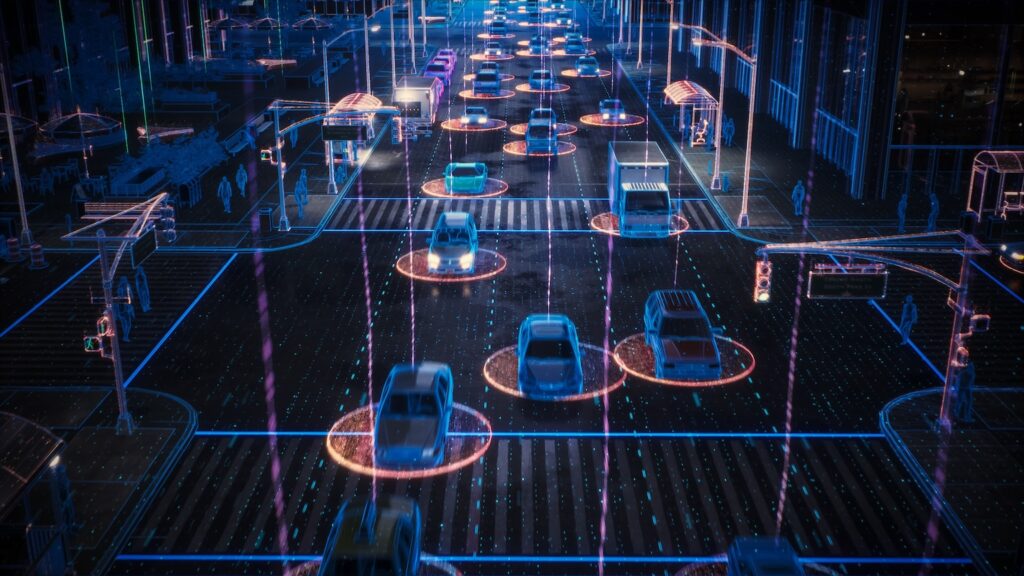
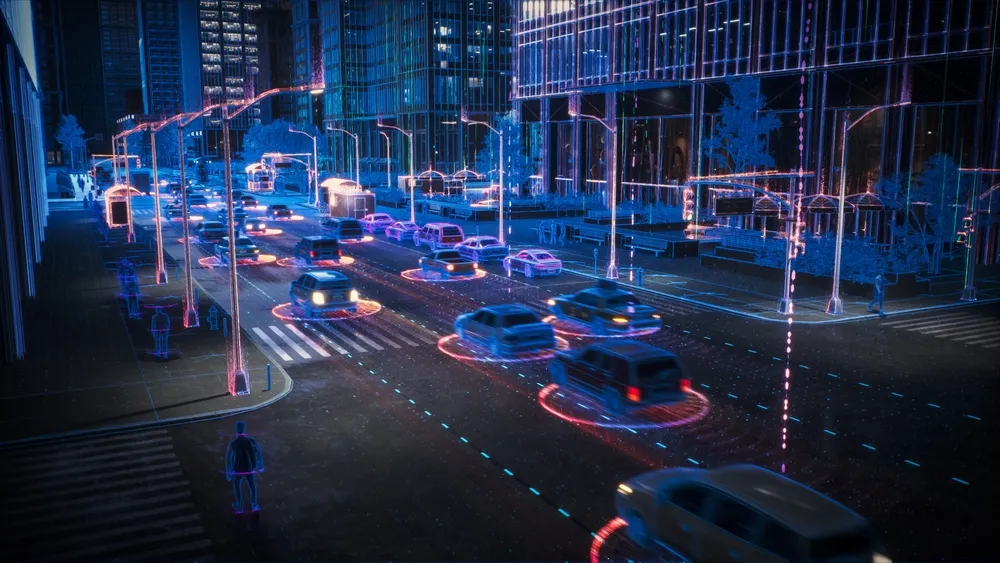
simple terms, a digital twin is a dynamic virtual replica of a physical asset, system, or
network. Unlike a static 3D model or a standard dashboard, a digital twin stays
connected to the real world through IoT sensors, operational systems, and
continuous data flows. It shows what infrastructure looks like, but more importantly, it
helps operators understand how it performs in real time and how it is likely to behave
next. In transportation, this can include traffic flow, structural condition, equipment
status, and environmental conditions across an entire corridor or network.
Why transportation infrastructure needs digital twins
This is what makes digital twin technology so valuable for transportation
infrastructure. Most authorities still manage roads, tunnels, and traffic systems
through separate platforms that do not communicate well with each other. That
creates blind spots. Unexpected failures disrupt service, emergency repairs drive up
costs, and operational teams often make decisions without a complete picture of
network conditions. Industry experience shows that emergency repairs can cost three
to five times as much as planned maintenance, underscoring how expensive limited
visibility can become over time.
How does a digital twin work in transportation?
A transportation digital twin solves this by bringing data, modelling, and operational
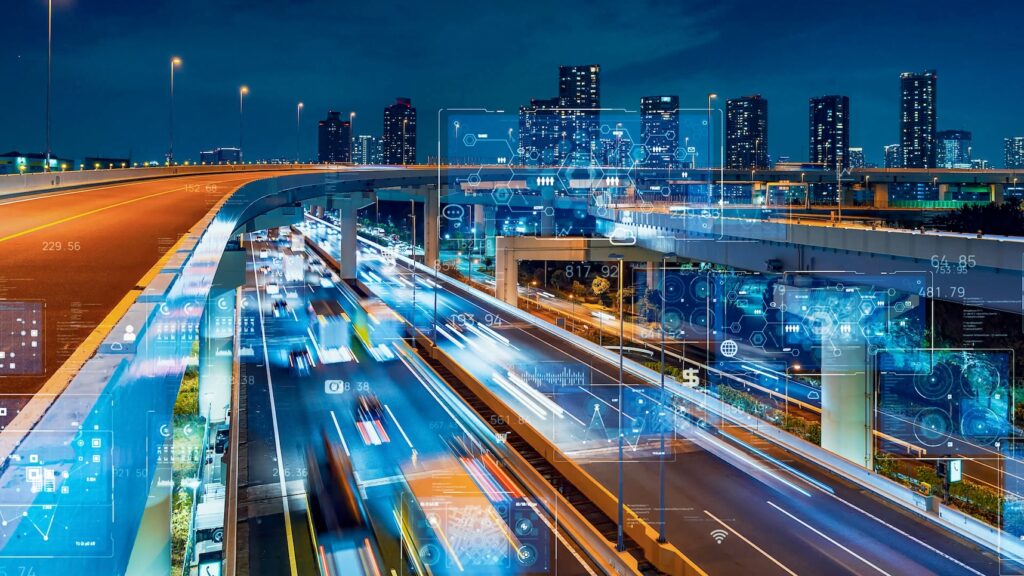
insights into a single environment. A transportation digital twin brings together real-
time data ingestion, digital model creation, analytics, and visualisation in a single
operational environment. Data can come from sensors, cameras, and field systems
across the network. The model itself can draw on BIM, GIS, and CAD sources. On
top of that, analytics tools help operators interpret conditions, detect anomalies, and
run simulations before they make changes in the real world. This turns digital twin
technology into far more than a visual tool. It becomes an infrastructure monitoring
system that supports better day-to-day and long-term decisions.
Real-time monitoring and predictive maintenance
One of the strongest use cases is real-time monitoring. When a digital twin receives
live data from physical infrastructure, operators can spot abnormal behaviour much
earlier, improving incident awareness and helping teams intervene before a minor
issue becomes a major disruption. Another major advantage is predictive
maintenance. Instead of relying solely on fixed schedules or reacting after equipment
fails, authorities can use digital twin solutions to assess actual asset condition and
forecast potential issues in advance, thereby achieving lower unplanned downtime,
reduced maintenance costs, and longer asset life. These are not abstract benefits.
They directly affect service reliability, budget efficiency, and public trust.
Smarter planning through scenario simulation
It is also worth noting that digital twin technology improves planning. Transportation
authorities must continually evaluate lane closures, signal timing adjustments,
construction phasing, and emergency response options. Without a digital twin, those
decisions often depend on limited testing and incomplete assumptions. With a digital
twin, teams can simulate scenarios in a risk-free environment before they affect live
operations. Scenario simulation stands out as one of the most strategically valuable
capabilities because it helps operators understand likely impacts in advance and
improve planning accuracy across complex infrastructure environments.
The strategic value for transportation authorities
For transportation authorities, the value goes well beyond innovation. A digital twin
gives agencies a clearer basis for maintenance planning, incident response, capital
prioritisation, and traffic management system decisions. It also helps them make
better use of existing assets when physical expansion is costly or slow. Organisations
adopting digital twins report improvements in traffic flow efficiency, faster incident
response, lower maintenance costs, and stronger planning accuracy. The exact
outcome depends on the network and deployment model, but the strategic direction
is clear. A digital twin helps authorities move from reactive management to a more
predictive and coordinated operating model.
A foundation for smart city infrastructure and future mobility
This matters even more as cities invest in smart city infrastructure and future mobility
systems. Digital twin technology creates the operational foundation for more
connected infrastructure, better asset management, and more informed decision-
making across transport networks. It gives authorities a practical way to connect
physical assets with digital intelligence and turn data into action. That is why digital
twin technology now plays an increasingly important role in modern transportation
infrastructure.
With proven expertise in intelligent transportation systems, real-time data integration,
and digital modelling, Lillyneir helps transportation authorities turn digital twin
technology into measurable operational value. The goal is not only to create virtual
replicas but to help infrastructure owners improve visibility, strengthen decision-
making, and build a stronger foundation for the future of transport.