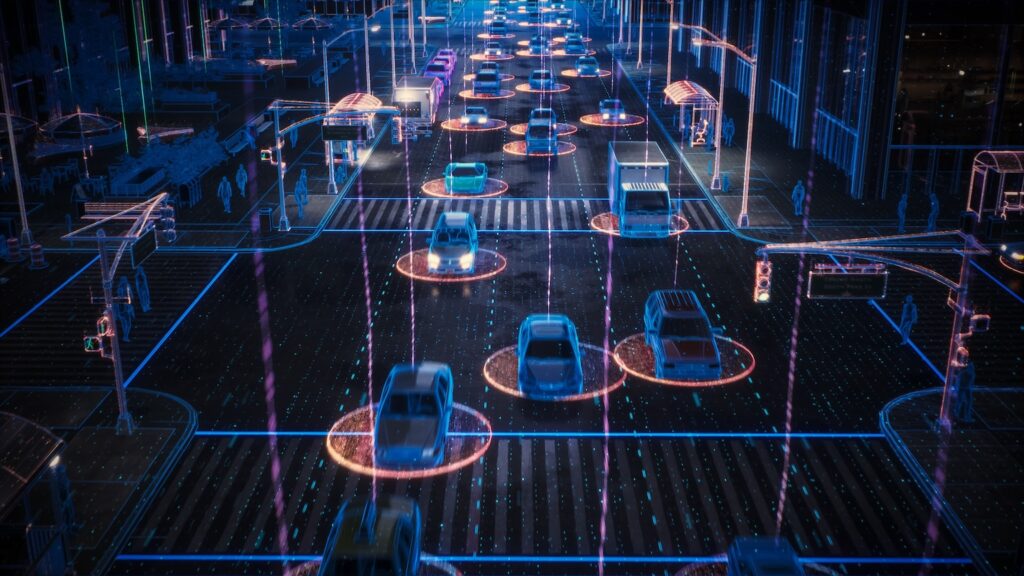
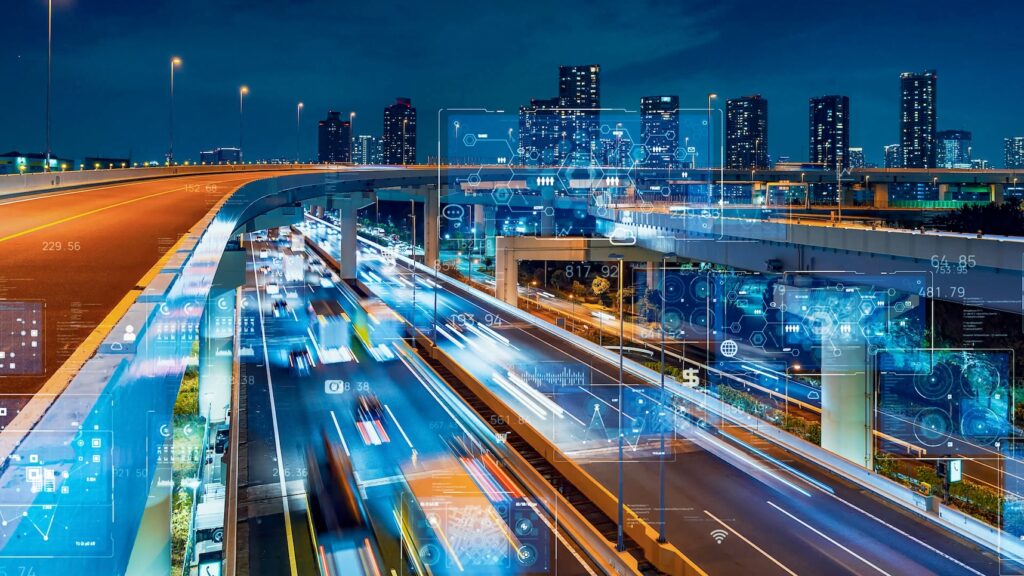
Modern transportation networks can no longer operate as isolated assets. When vehicles, traffic signals, and roadside systems cannot share information in real time, traffic management becomes slower and more reactive. V2X communication closes that gap by allowing vehicles, infrastructure, pedestrians, and network systems to exchange relevant data. For a foundational overview, see our earlier article on what V2X communication is and why it matters.
Here are five challenges where V2X makes a real difference.
Vehicles cannot see beyond their own sensors
Cameras, radar, and LIDAR have natural limits. A vehicle may miss a hazard around a corner or a fast-approaching emergency vehicle. Vehicle-to-vehicle communication is one of the foundations of cooperative intelligent transport systems, enabling vehicles to share collision warnings, brake alerts, and movement data. A few extra seconds of warning at intersections, high-risk corridors, highway merging areas, or tunnels can be critical.
Pedestrian and cyclist safety is critical
Vulnerable road users move in ways that are hard to anticipate, especially near schools and complex intersections. Vehicle-to-pedestrian communication lets vehicles and roadside units receive warnings about nearby pedestrians and cyclists. This can happen through connected devices, or sensor-based infrastructure that detects vulnerable road users and shares that information with the traffic environment.
The result is earlier awareness on the road. A driver may not immediately see a pedestrian stepping out from behind a parked vehicle, but a connected system can help identify the risk sooner.
Traffic signals lack real-time context
Many intersections still rely on fixed signal plans, but traffic rarely behaves predictably. Demand changes throughout the day, incidents might block lanes, and public transport can fall behind schedule. Vehicle-to-infrastructure communication lets connected vehicles share speed, position, and movement data with roadside infrastructure. Traffic management systems can then support smarter timing, green wave coordination, and priority for selected vehicle types.
This is how authorities move from isolated signal control to adaptive corridor management. Instead of treating each intersection as a separate asset, they can manage traffic flow across a connected corridor.
Emergency response depends on faster coordination
Emergency vehicles lose valuable time when signals cannot support priority movement. Connected infrastructure can detect approaching emergency vehicles and adjust signal timing accordingly, while nearby vehicles receive warnings earlier. This is called emergency vehicle preemption, and cities can evaluate it today on corridors serving hospitals, fire stations, and airports.
For decision-makers, this is one of the clearest V2X use cases. The public value is direct: less time lost in traffic for emergency vehicles, and more resilient operations across the network.
Infrastructure is not ready for autonomous mobility
Autonomous vehicles need more than onboard intelligence. Through vehicle-to-infrastructure and vehicle-to-network communication, transport systems can share real-time information about signal status, hazards, weather, and work zones with automated vehicles. This makes V2X a foundational element of any future autonomous vehicle infrastructure. It improves today’s operations while preparing the network for what comes next.
Autonomous readiness will not arrive through a single upgrade. It requires sensing, communication, edge processing, cybersecurity, and reliable integration between vehicles and infrastructure.
Why V2X deserves decision-maker attention
The real question is not which technology sounds most advanced, but which problems need better coordination. Road safety depends on earlier warnings, traffic signals require real-time context, and emergency vehicles need priority support. By helping the road network communicate, V2X addresses these challenges directly, while it is also one of the core building blocks of next-generation intelligent transportation systems.
Partner with Lillyneir on connected mobility
At Lillyneir, we design and deploy V2X solutions for transportation authorities and infrastructure operators. If V2X is on your roadmap, let’s talk about how it fits your plans.